1. What Is Skin Shine?
Skin shine reflects the amount of surface oil (sebum) present on the skin. Sebum plays a key role in lubricating, coating, and protecting the skin — it is a natural, oily and waxy substance secreted by the sebaceous glands, which are often clustered around pores. Many factors can affect sebum secretion, and both sebum deficiency and excessive sebum production can cause skin concerns.
Sebum secretion naturally decreases with age. Malnutrition, certain medications (e.g., hormonal contraceptives), and environmental factors can also reduce sebum production. Insufficient sebum can leave the skin dry and prone to micro-cracks. Conversely, hormonal changes or other influences can cause excessive sebum production, leading to clogged pores, breakouts, and visibly shinier skin.
To measure skin shine with the , an image can be captured directly on the facial skin under the VSL/PPL LED setting of the. This process is repeated for both the T-zone and the U-zone. The algorithm detects light reflection and surface shininess using brightness and reflectance thresholds.
2. Skin Shine Grade
The following skin shine grade has been and dermatology experts. For each image, we detect surface shine to provide a quantified score. The final score for skin shine is computed as the average of all result scores. Based on the scale shown in Table 1, we grade skin shine into Very Low, Low, Medium, High, and Very High.
Regularly checking skin shine with the measurement helps track this consistency, and customers can maintain a balanced sebum/shine level over time, which is an important part of overall skin health.
| Grade | Scale | Description |
|---|---|---|
| Very Low | 0 ~ 5 | Skin with very minimal shine due to insufficient sebum secretion, which can lead to dryness and micro-cracks. |
| Low | 6 ~ 15 | Skin with mildly low shine, reflecting reduced sebum production, which may lead to some dryness. |
| Medium | 16 ~ 48 | Balanced skin shine — reflecting optimal, well-lubricated sebum levels for healthy skin. |
| High | 49 ~ 80 | Skin with mildly elevated shine, reflecting increased sebum production. |
| Very High | 81 ~ 99 | Very shiny skin with highly excessive sebum secretion. Excess oil can clog pores and contribute to breakouts. |
| Very Low | 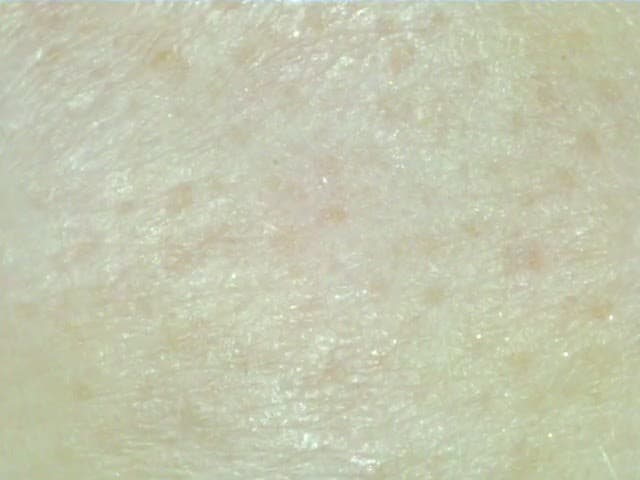 |
| Low | 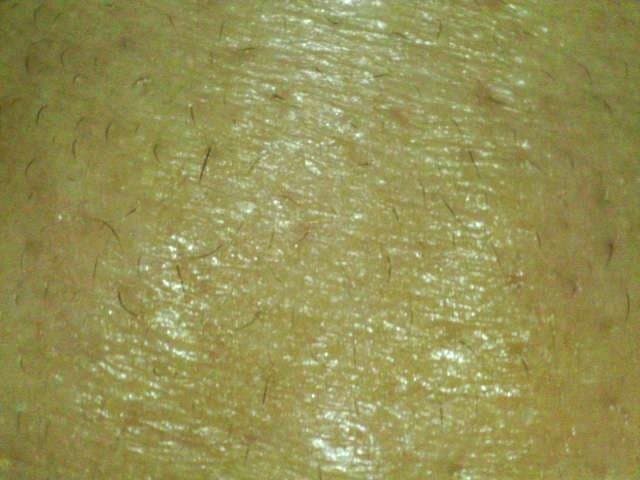 |
| Medium | 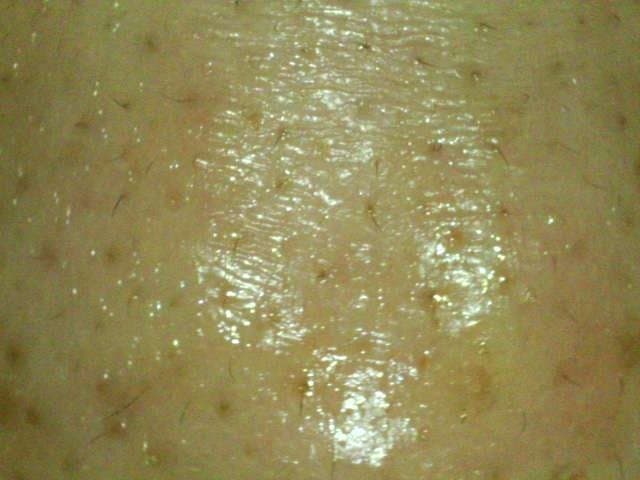 |
| High | 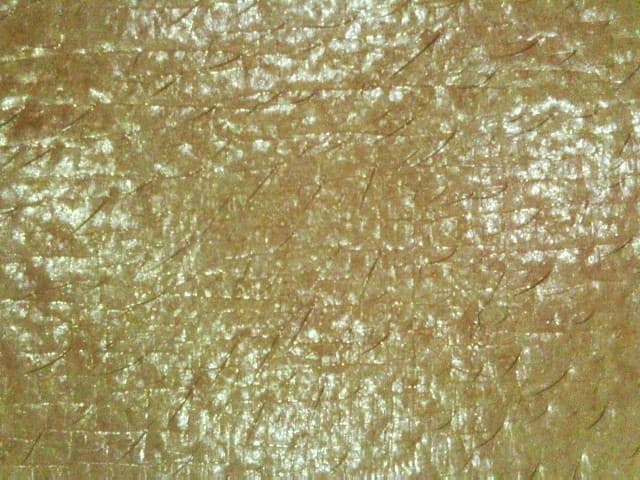 |
3. Why Shine Is Not Shown on the Radar Graph
Skin shine/sebum is not a "higher-is-better" indicator. A Very Low score indicates very low shine due to insufficient sebum secretion, which can lead to dry and cracked skin. A Very High score indicates excessive shininess and sebum production, which can clog pores and cause breakouts. Medium — the balanced, optimal range — is the most desirable state. In other words, both extremes (too low and too high) are undesirable.
A standard radar (spider) graph operates on the assumption that a higher value is always better. Shine does not conform to this assumption. Displaying shine on the radar graph without modification would therefore mislead users into believing that a maximum shine score is ideal, which is not the case.
For this reason, the shine indicator is excluded from the radar graph. Instead, both shine (oil) and hydration (moisture) are incorporated together into the comprehensive Skin Condition indicator, which reflects the balanced interplay between these two factors. This approach was determined in consultation with dermatology experts.