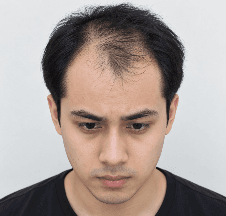
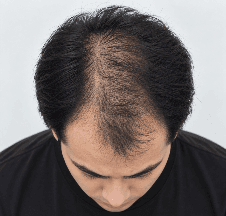
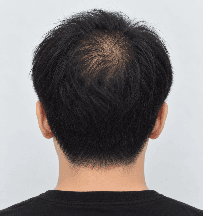
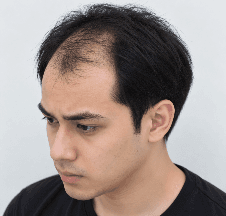
1. What is Hair Loss?
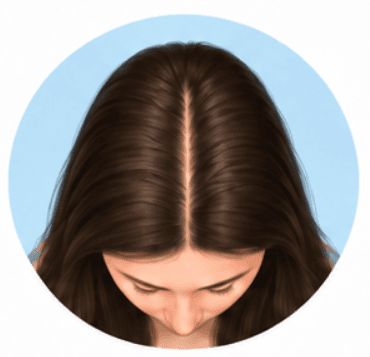
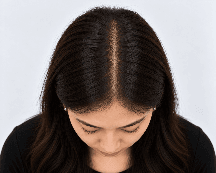
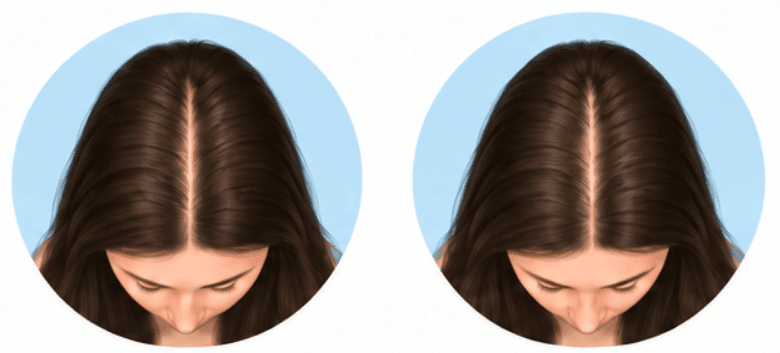
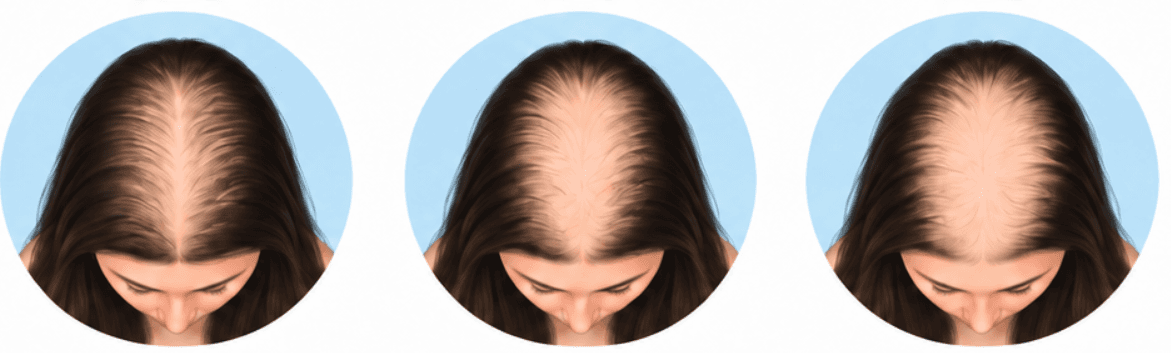
Hair loss, also known as alopecia or baldness, refers to the loss of hair from part of the head. There are many types of hair loss with the most common being male- or female-pattern hair loss. By the age of 50, pattern hair loss affects about half of men and a quarter of women. In men, pattern hair loss primarily affects the top and front of the scalp, taking the form of a receding front hairline or loss of hair on the crown (vertex) of the scalp, respectively. In female-pattern hair loss, a diffuse thinning of hair across the entire scalp is typical. The cause of male-pattern hair loss is believed to be a combination of genetics and the male hormone, while the cause of female-pattern hair loss remains unclear. Other causes of hair loss include:
- Infections, such as fungus, or dissecting cellulitis
- Drugs, including those for diabetes, heart disease may cause temporary or permanent hair loss
- Trauma and severe stress may cause hair loss as well
- Some diseases and skin conditions can also cause hair loss
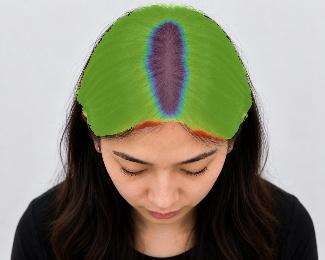
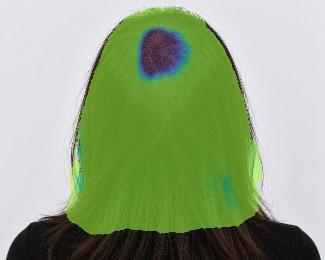
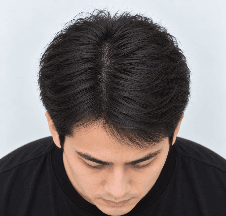
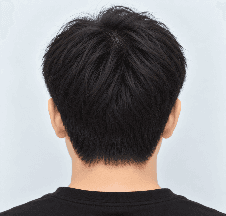
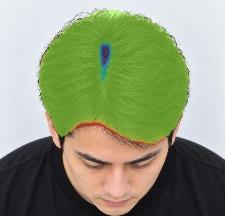
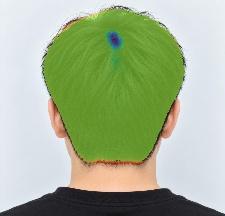
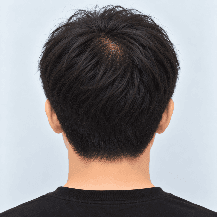
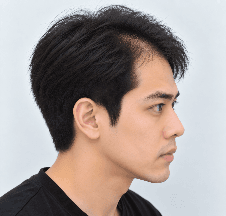
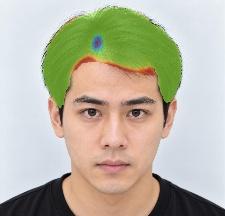
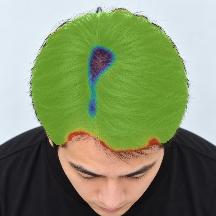
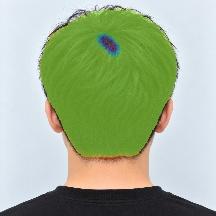
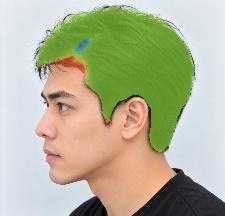
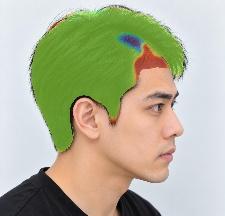
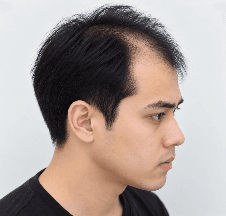
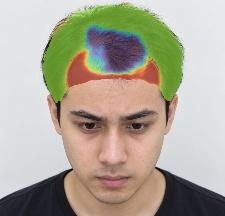
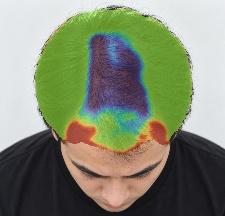
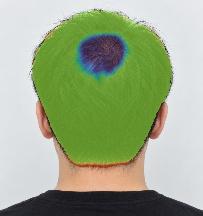
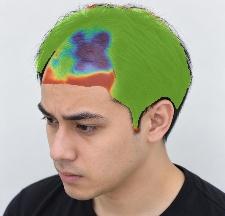
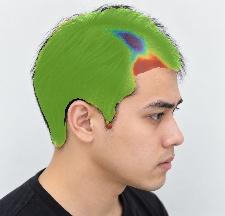
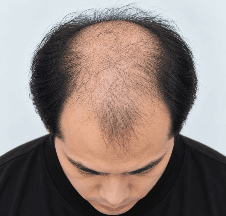
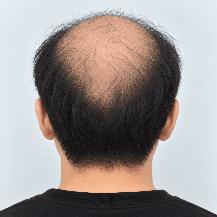
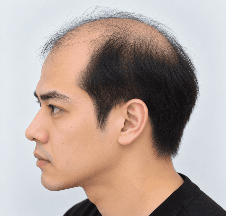
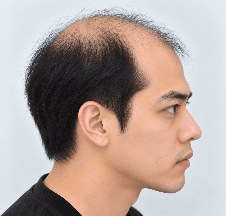
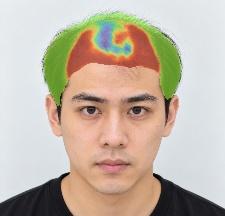
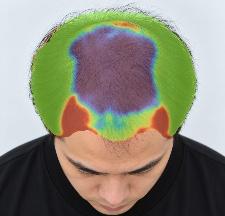
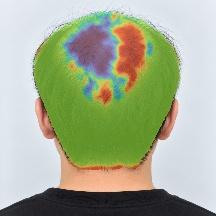
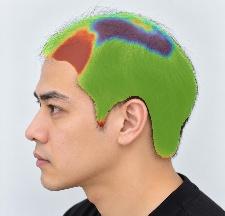
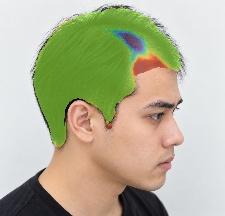
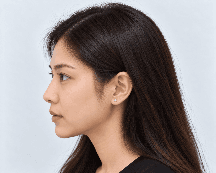
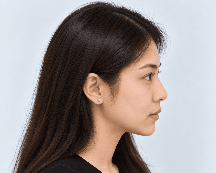
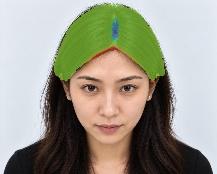
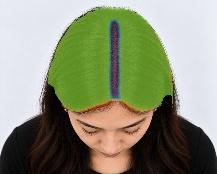
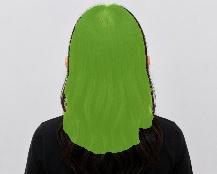
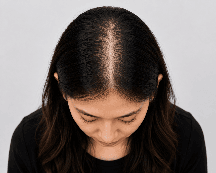
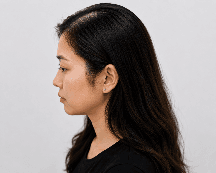
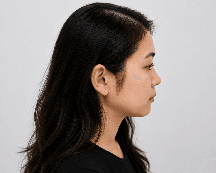
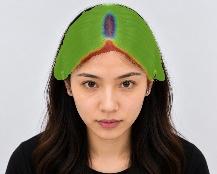
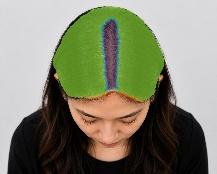
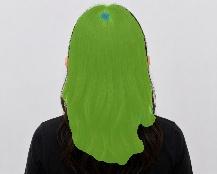
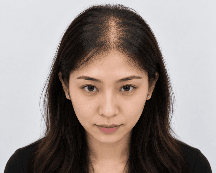
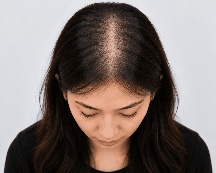
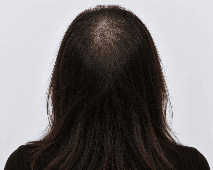
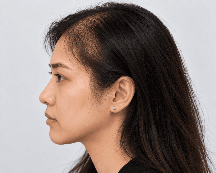
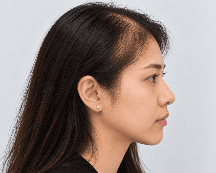
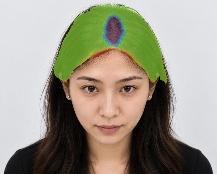
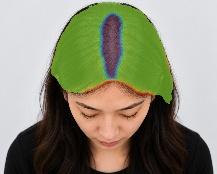
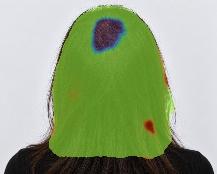
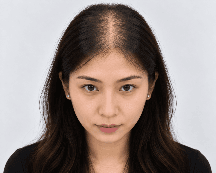
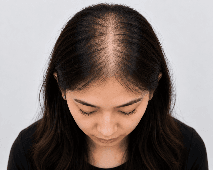
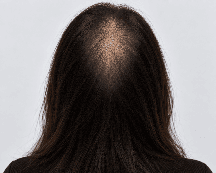
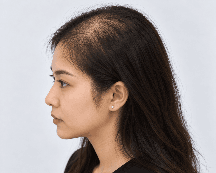
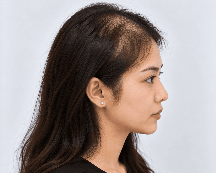
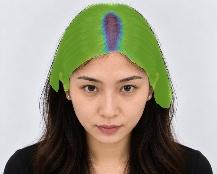
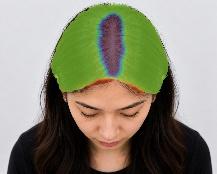
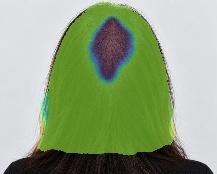
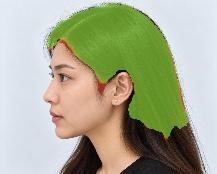
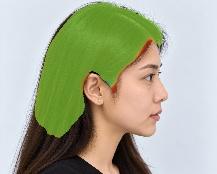
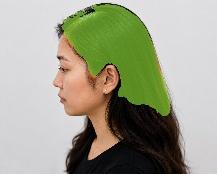
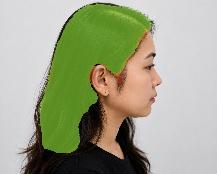
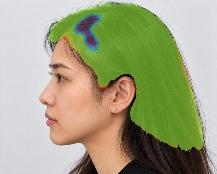
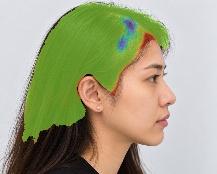
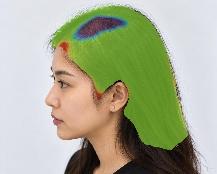
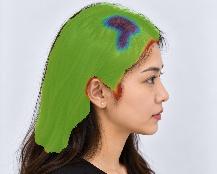
To assess hair loss and hair density across the scalp, CTK's Full Scalp Analysis (FSA) uses five images taken from the frontal, crown, back, right, and left head angles. The FSA density AI analyzes each image and segments the scalp into three regions: high-density, moderate-density, and low-density areas, as shown in Figures 1 and 2. From all 5 FSA images, we get a final overall FSA hair loss score, which is mapped to one of the four hair loss stages.
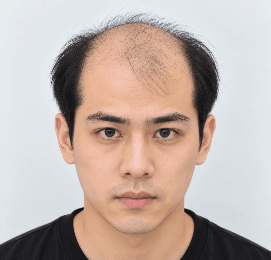
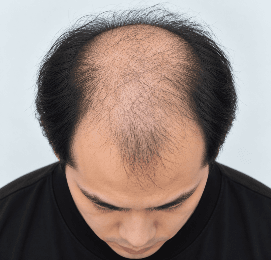
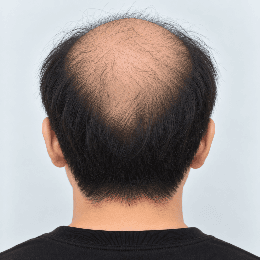
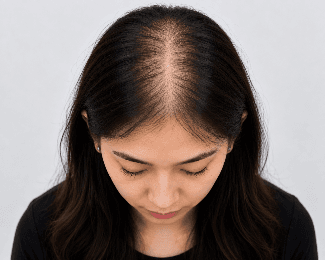
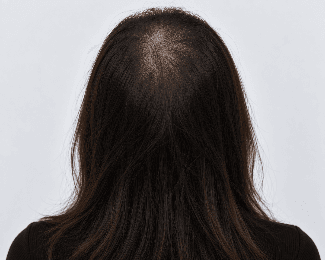
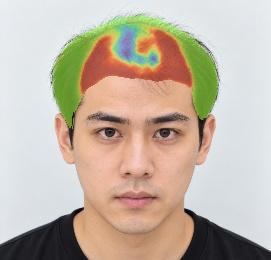
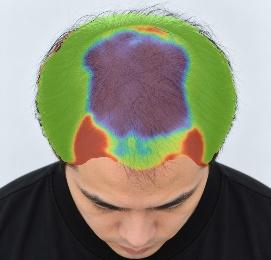
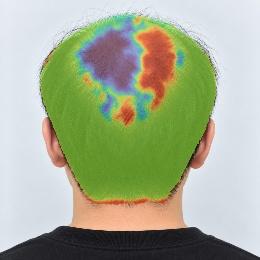
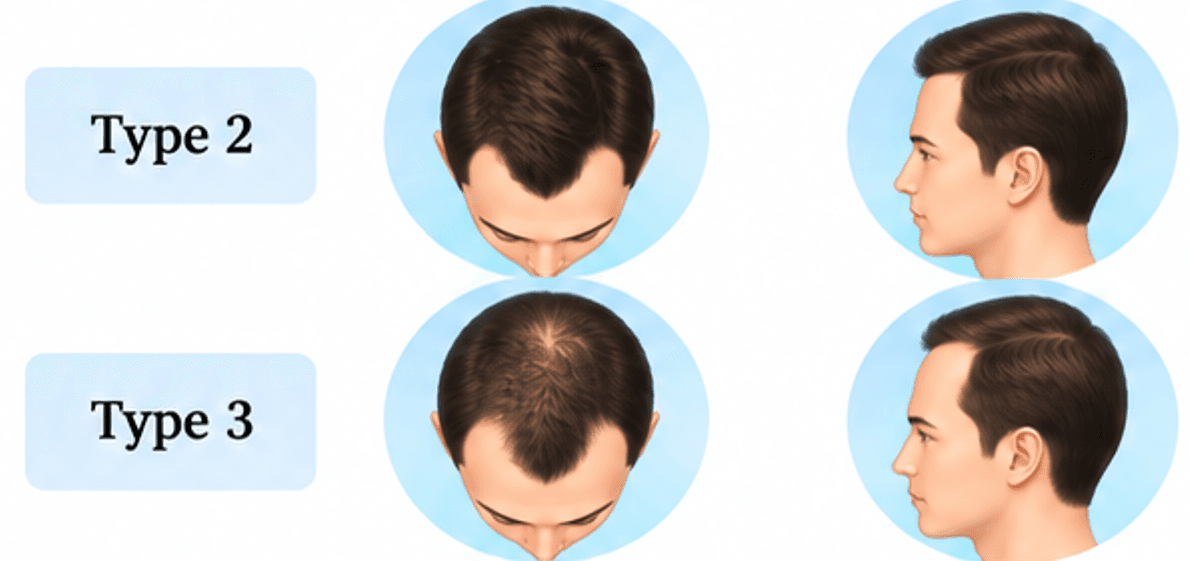
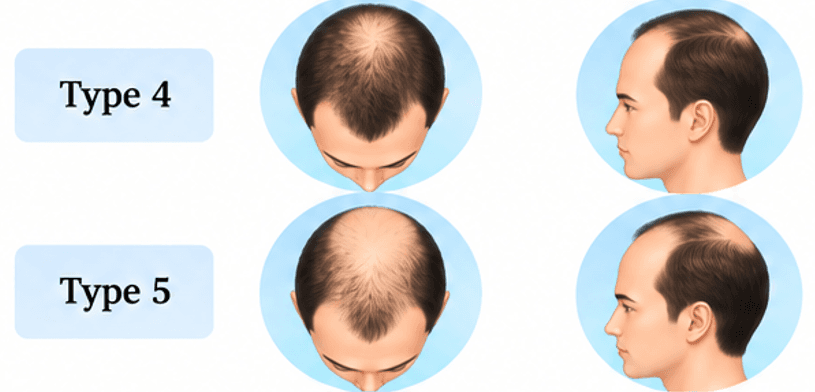
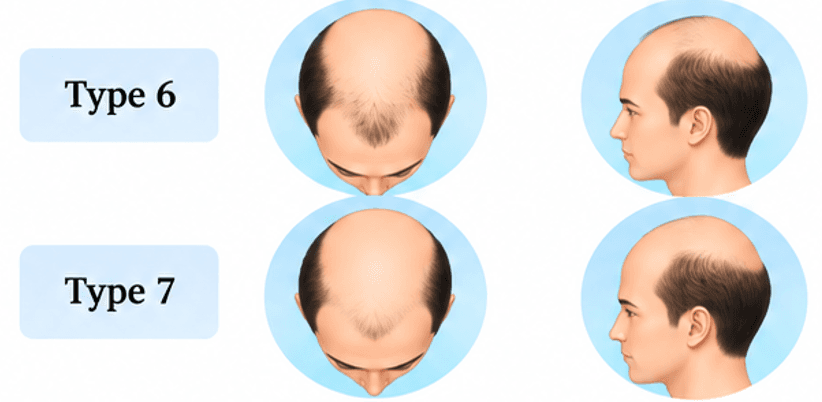
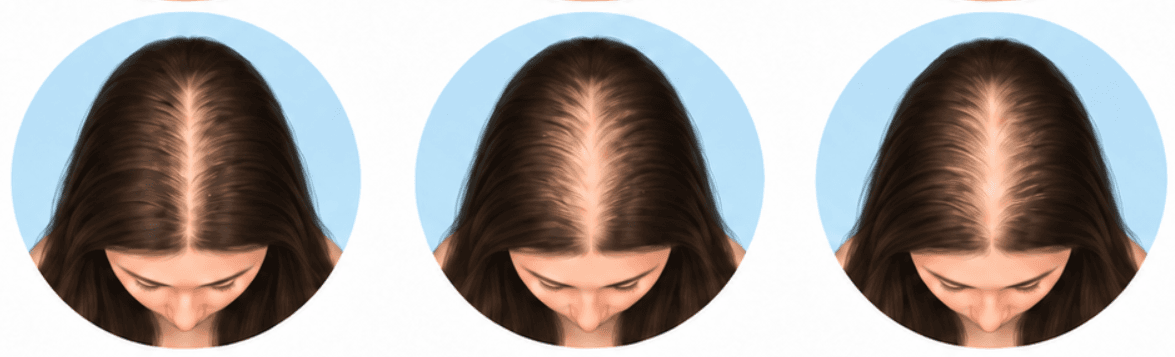
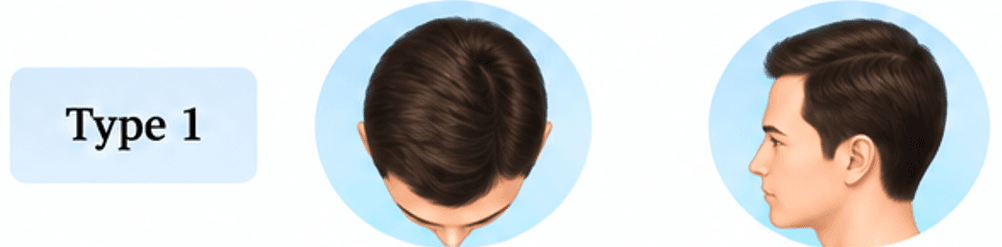
CTK evaluates visible pattern hair loss using internationally established clinical frameworks. For male pattern hair loss, FSA interpretation is aligned with the Hamilton–Norwood classification, including receding hairlines and crown thinning [1,2]. For female-pattern hair loss, FSA interpretation is aligned with the Ludwig classification, mainly involving thinning across the central and crown regions [3]. CTK Expert Graders are trained and qualified by CTK to use these standards to review the five-view FSA image set. Accordingly, CTK grading is not based on an isolated proprietary visual impression; the FSA stage is determined using a documented crosswalk to internationally recognized pattern and severity omains. The CTK stage provides a quantitative summary aligned with these standards and does not replace a dermatologist’s diagnosis of a specific alopecia disorder.
2. CTK FSA Hair Loss Grade
The following CTK FSA hair loss grade has been co-developed by CTK and hair-loss experts. The five view image set is reviewed using the CTK scoring procedure and a global-standard crosswalk. For each image, an FSA density score is obtained from the segmented high-, moderate-, and low-density regions. The minimum of the five scores is selected as the pivotal value, and the remaining scores adjust this value to yield the final FSA density score. The final score is classified as None, Beginning, Middle, or Last according to Table 1. These CTK stages quantify visible severity across the full scalp and should be interpreted as aligned with, rather than numerically identical to, the legacy clinical scales
Table 1: CTK FSA Hair Loss Grade
| Grade | CTK FSA Hair Loss Score | Description |
|---|---|---|
| None | 91~99 | No significant hair loss. |
| Beginning stage | 81~90 | Mild stage of hair loss: perceptible thinning of hair, earliest stage of hair loss. |
| Middle stage | 61~80 | Moderate stage of hair loss: pronounced decrease in hair density |
| Last stage | 0~60 | Severe stage of hair loss: pronounced rarefaction of hair, more significant than previous stage. |
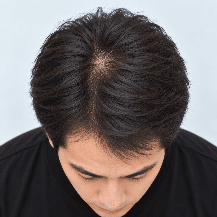
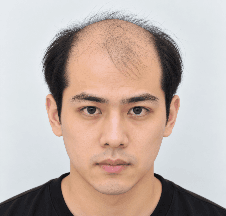
Table 2: Male representative images of FSA hair loss grade with Hamilton-Norwood Scale reference images

References
[1] Hamilton, J.B. (1951) Patterned Loss of Hair in Man: Types and Incidence. Annals of the New York Academy of Sciences, 53, 708-728.
[2] Norwood, O.T. (1975) Male Pattern Baldness: Classification and Incidence. Southern Medical Journal, 68, 1359-1365.
[3] Ludwig, E. (1977) Classification of the Types of Androgenetic Alopecia (Common Baldness) Occurring in the Female Sex. British Journal of Dermatology, 97, 247-254.