1. What is Hair Loss?
Hair loss, also known as alopecia or baldness, refers to the loss of hair from part of the head. There are many types of hair loss with the most common being male- or female-pattern hair loss. By the age of 50, pattern hair loss affects about half of men and a quarter of women. In men, pattern hair loss primarily affects the top and front of the scalp, taking the form of a receding front hairline or loss of hair on the crown (vertex) of the scalp, respectively. In female-pattern hair loss, a diffuse thinning of hair across the entire scalp is typical. The cause of male-pattern hair loss is believed to be a combination of genetics and the male hormone, while the cause of female-pattern hair loss remains unclear.
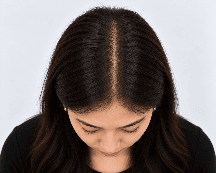
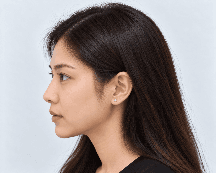
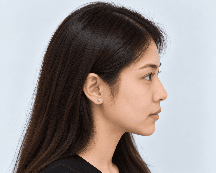
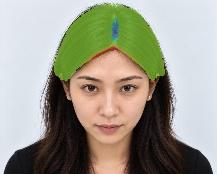
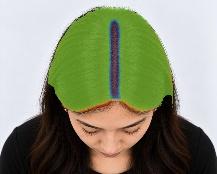
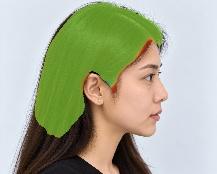
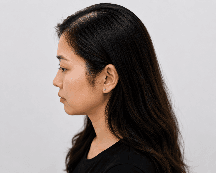
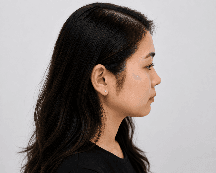
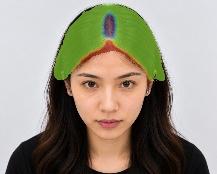
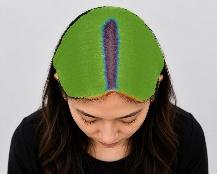
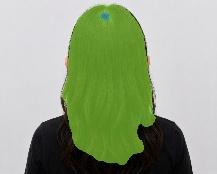
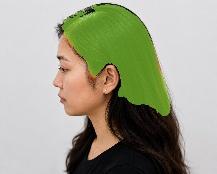
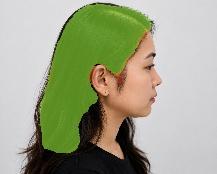
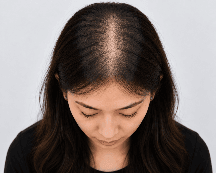
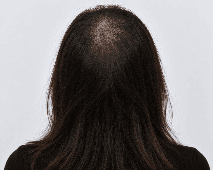
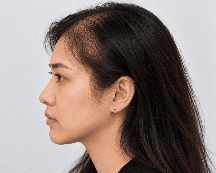
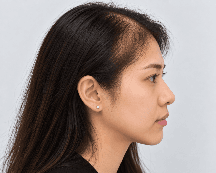
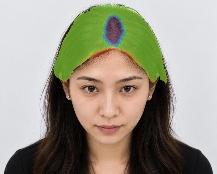
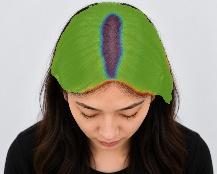
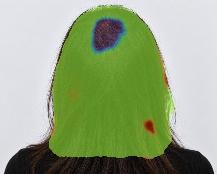
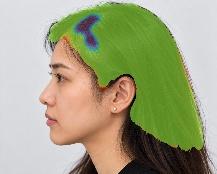
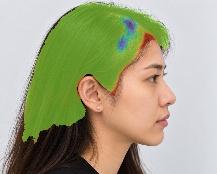
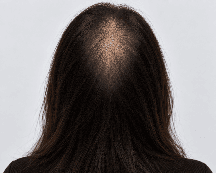
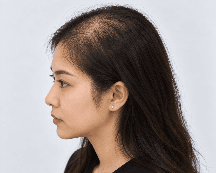
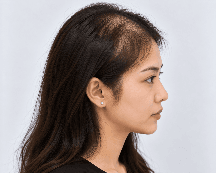
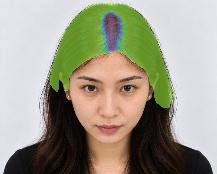
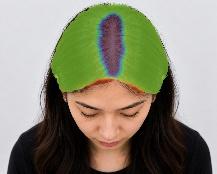
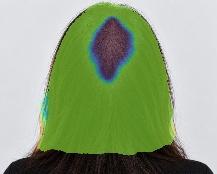
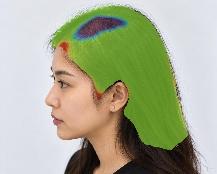
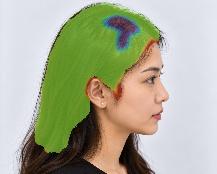
To detect hair loss stage and identify the scalp conditions behind it, CTK combines Full Scalp Analysis (FSA) with five contact measurements. FSA takes five images from five different head angles (front, crown, back, left, and right) and maps the hair into high-, moderate-, and low-density areas (see Figures 1 and 2). It answers “where is the hair loss, and how severe does it look?” by showing the overall pattern across the whole scalp.
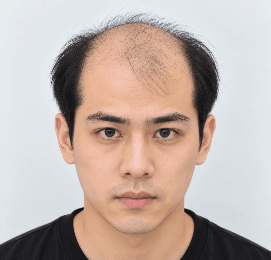
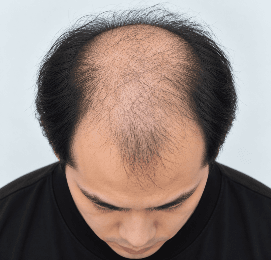
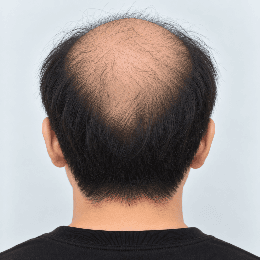
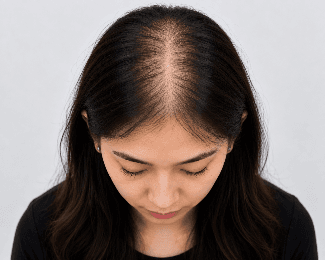
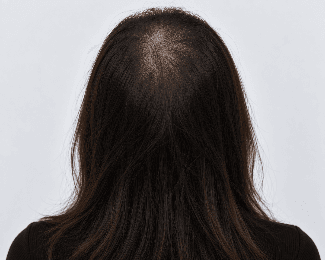
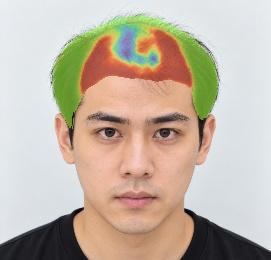
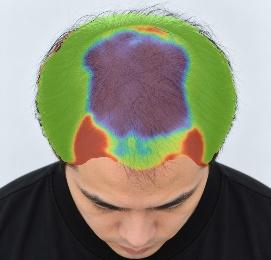
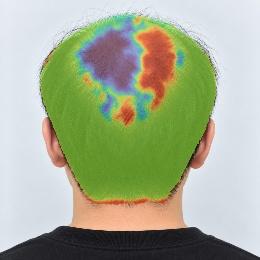
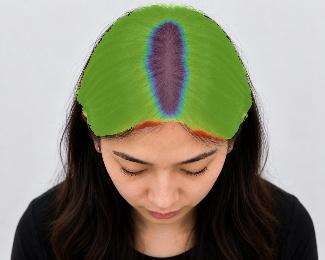
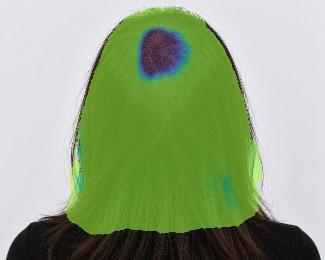
The CTK contact measurement device then takes up to five close-up images and provides detailed information about the scalp and hair (see Table 1). It answers “what is happening locally in the affected area?” by examining hair density, hair thickness, hair volume, scalp sensitivity, and scalp keratin. These measurements also help identify the possible underlying causes of hair loss, so the customer gets a clearer picture of what may be contributing to their condition.
Table 1: CTK Contact Measurements for Hair Loss Assessment
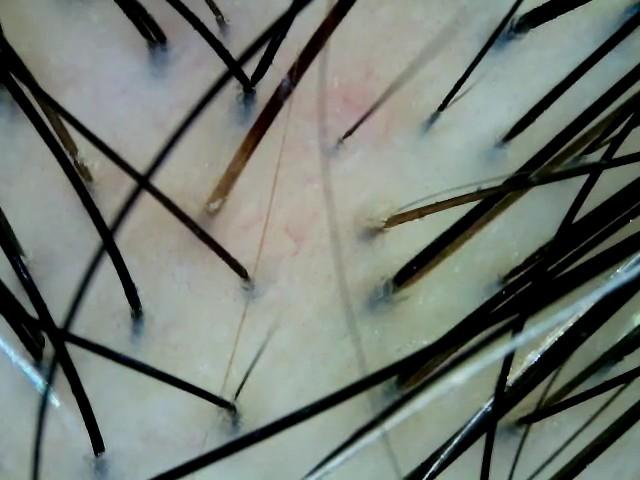 Hair Count (AI)
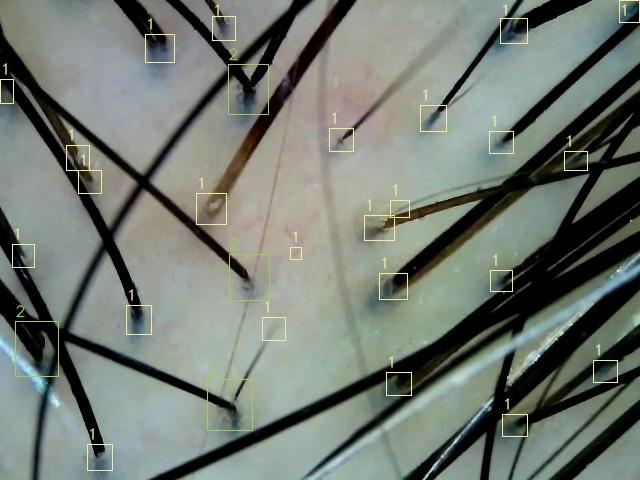 Number of hairs per cm2
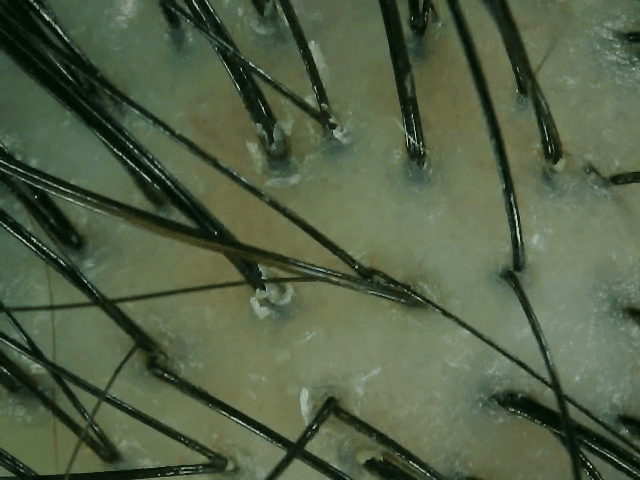 Scalp Keratin
 Keratin buildup and scalp surface condition
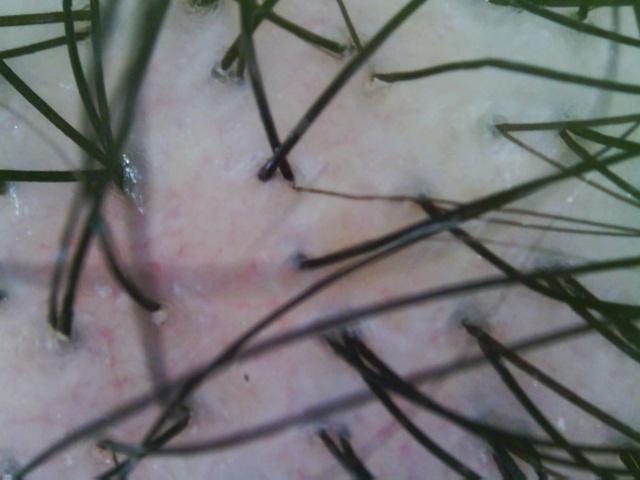 Scalp Sensitivity
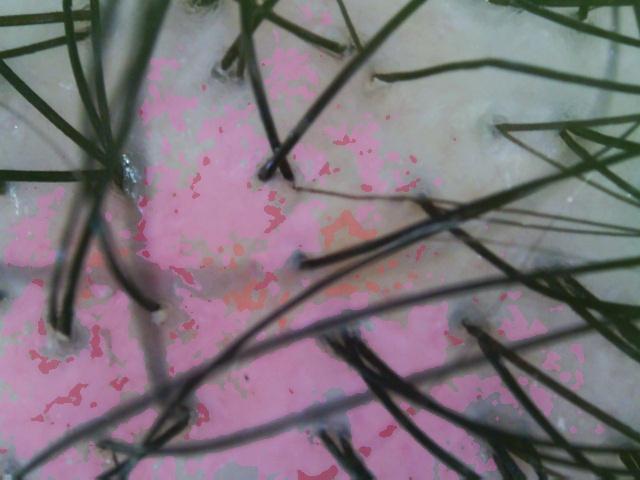 Signs of scalp irritation risk and inflammation
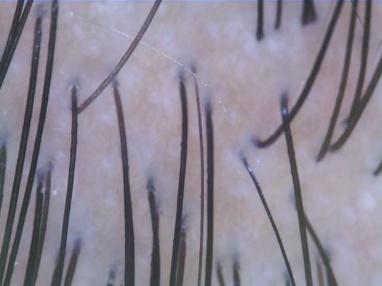 Hair Thickness Variation
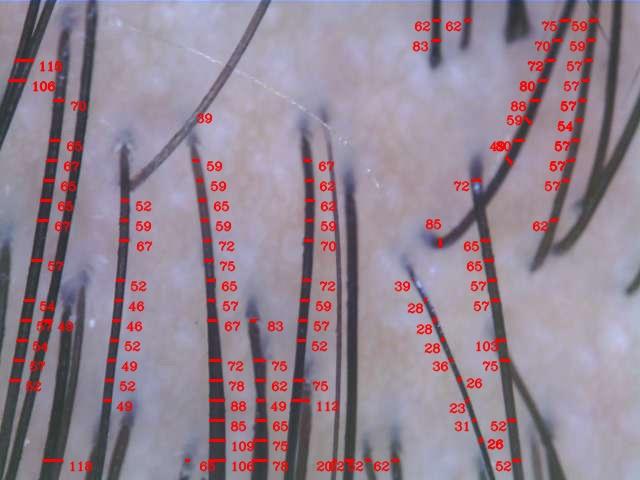 Differences in the thickness of hair strands and its quality
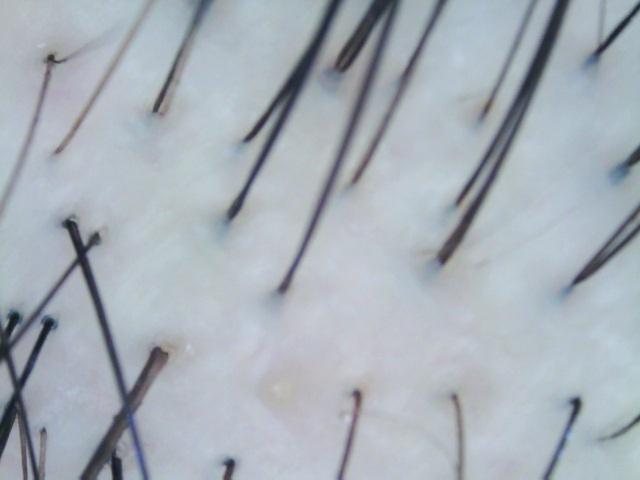 Hair Volume
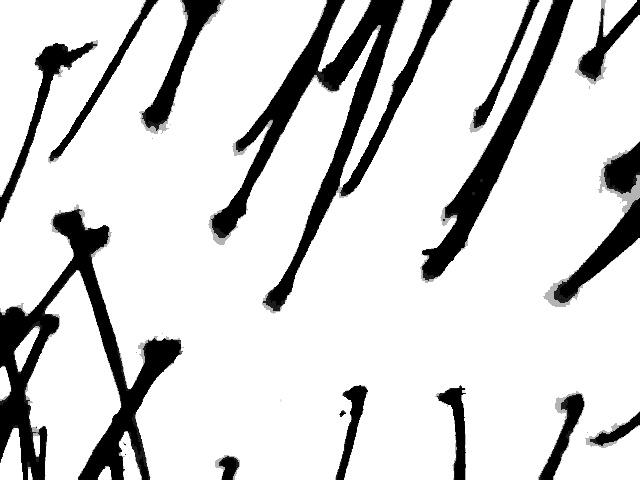 Overall hair coverage in the examined scalp area
Why FSA and Contact Measurements Are Used Together
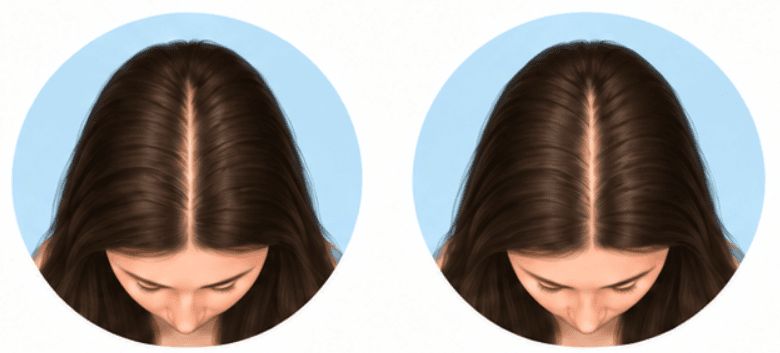
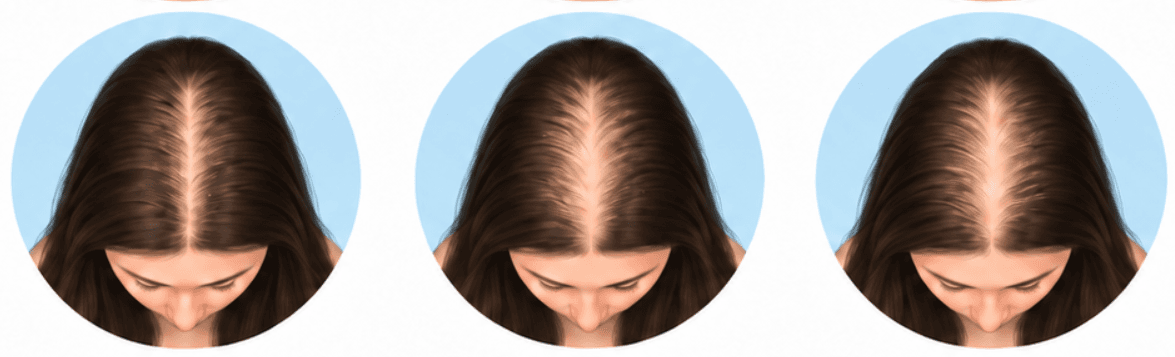
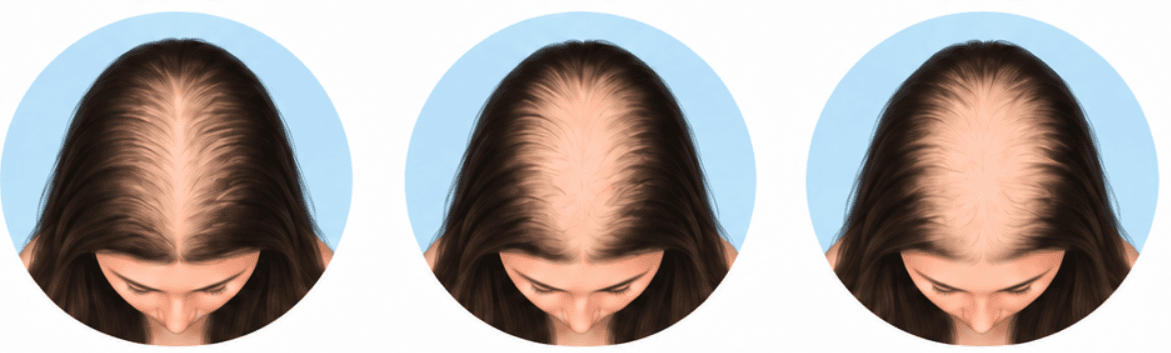
Neither method is sufficient on its own. FSA shows the overall type and pattern of hair loss but cannot identify its possible root causes, while contact measurements describe the local condition of the scalp and hair but cannot show the global picture of how hair loss is distributed. Combining the two links the overall pattern to its likely underlying causes. The two sets of findings are reviewed side by side, giving a consistent and complete view of the customer’s hair and scalp condition. Internationally recognized grading standards are also used to help assess hair loss patterns, including the Hamilton–Norwood scale for male-pattern hair loss [1,2] and the Ludwig scale for female-pattern hair loss [3].Contact findings help explore possible contributing factors, but they are not a medical diagnosis. For unusual, localized, inflamed, scarring, or rapidly worsening conditions, please consult a medicalprofessional.
2. CTK FSA + Contact Hair Loss Grade
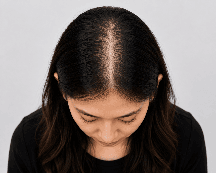
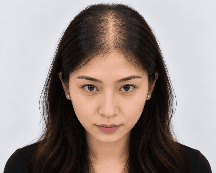
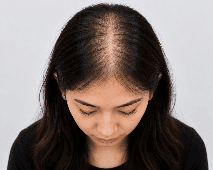
The following CTK FSA + contact hair loss grade has been co-developed by CTK and dermatology experts. Our advanced AI and image-processing algorithms analyse the FSA images and contact measurement images to detect hair and scalp conditions. Each detection is assigned a score based on standards defined by dermatology experts. The FSA and contact measurement scores are then combined to calculate a single, unified hair loss score. Based on this final score, hair loss is classified into four stages: None, Beginning Stage, Middle Stage, and Last Stage, as shown in Table 2.
Table 2: CTK FSA + Contact Hair Loss Grade
| Grade | Description |
|---|---|
| None | No visible hair loss; maintenance and prevention care. |
| Beginning Stage | Earliest stage of hair loss; intervention can slow progression |
| Middle Stage | Noticeable loss; active treatment recommended. |
| Last Stage | Severe stage of hair loss; comprehensive care required. |
Table 3: Male representative images of FSA + Contact hair loss grade with Hamilton-Norwood Scale reference images
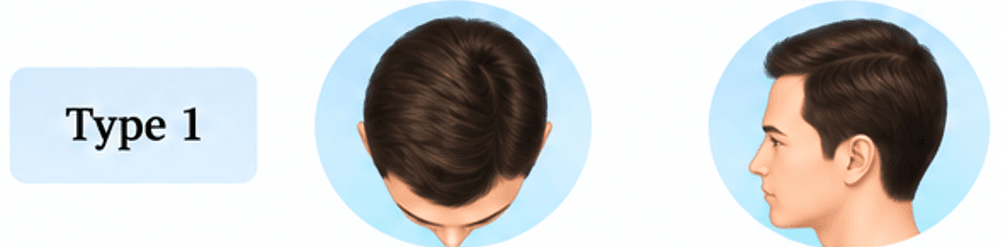

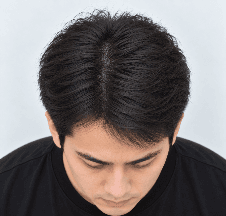
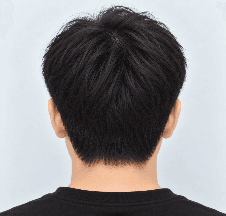



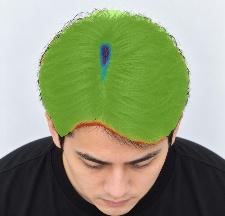
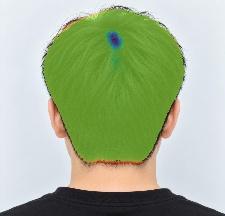


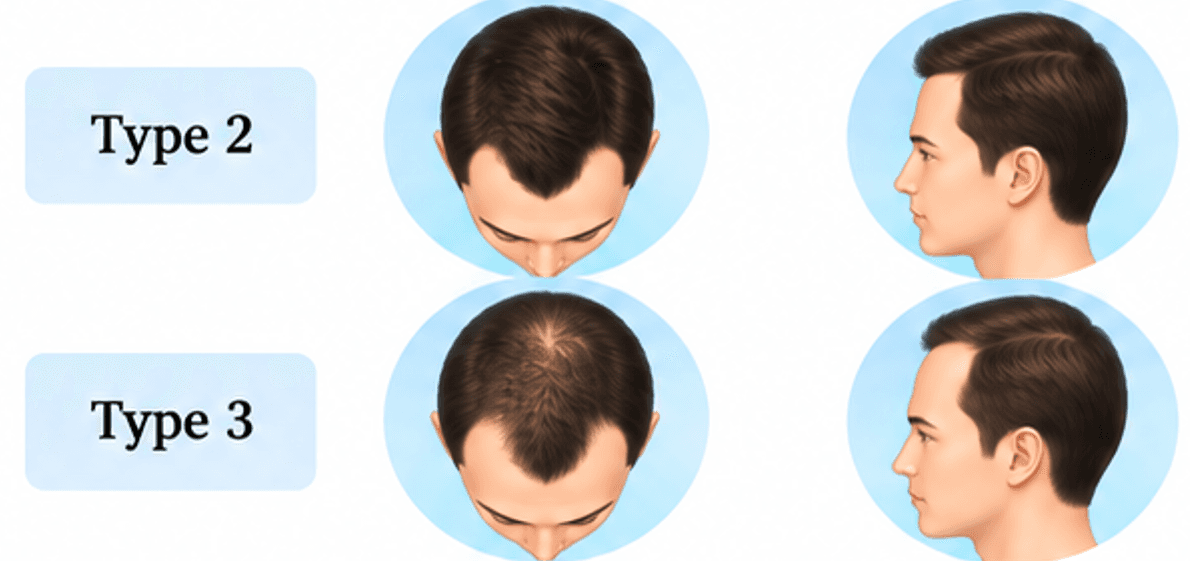

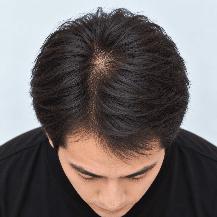
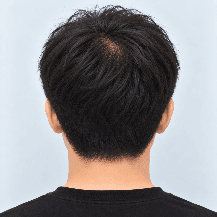

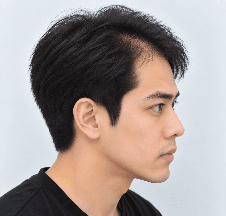
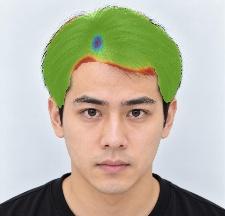
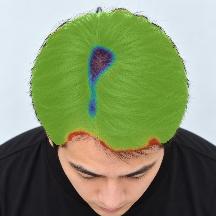
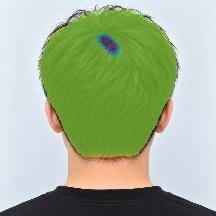
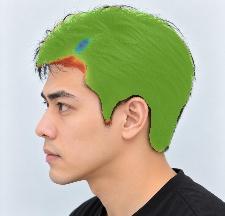
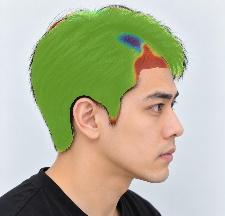
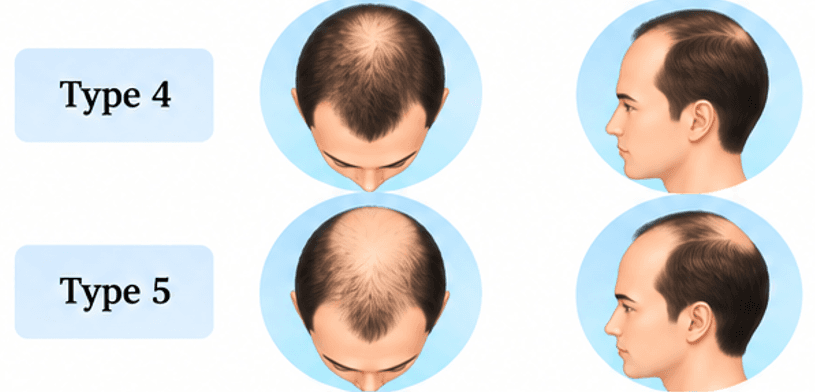
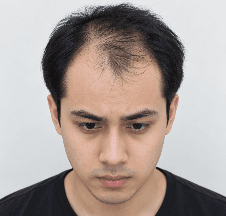
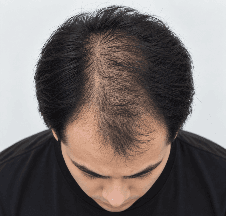
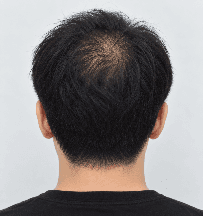
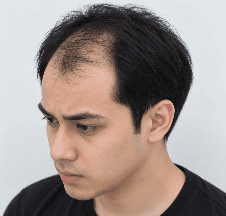
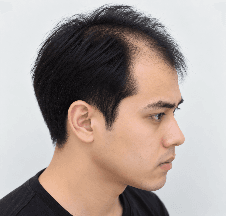
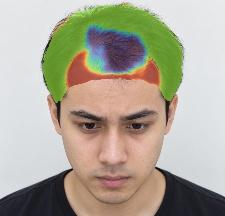
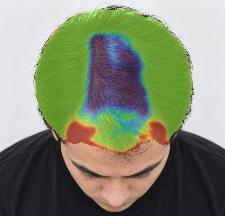
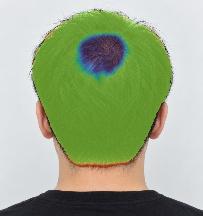
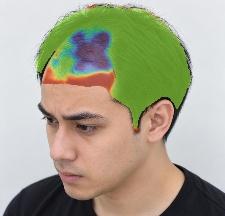
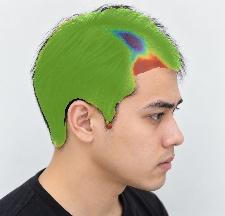
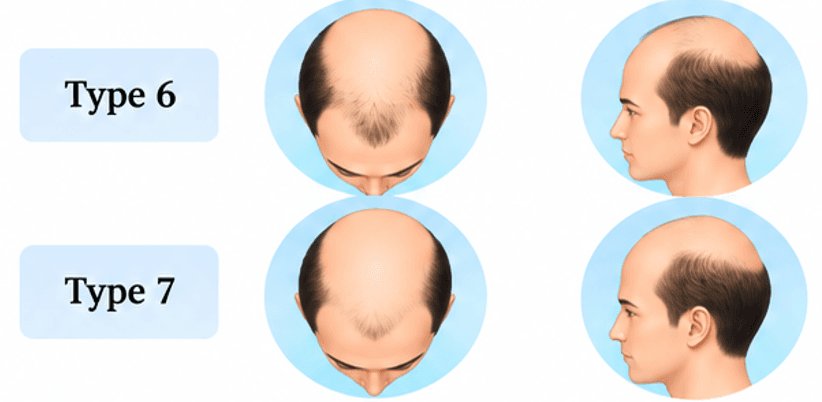
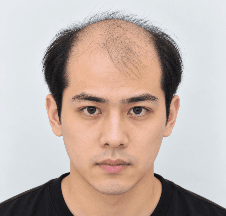
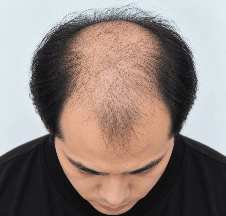
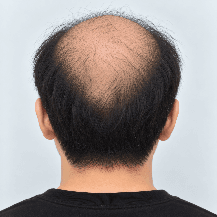
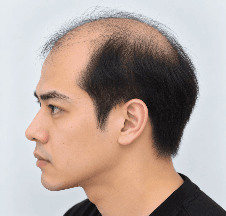
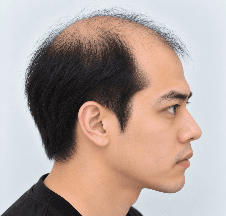
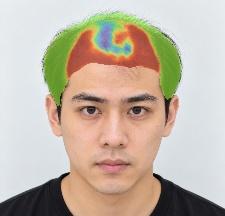
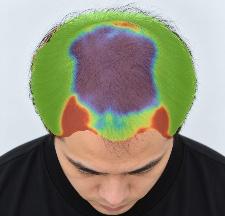
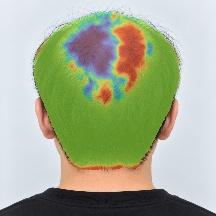
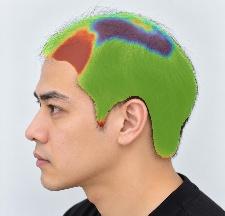
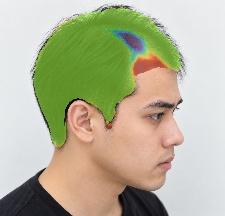
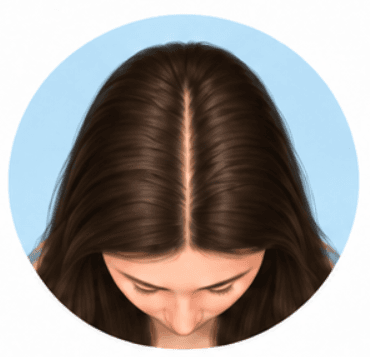
Table 4: Female representative images of FSA + Contact hair loss grade with Ludwig Scale reference images







References
[1] Hamilton, J.B. (1951) Patterned Loss of Hair in Man: Types and Incidence. Annals of the New York Academy of Sciences, 53, 708-728.
[2] Norwood, O.T. (1975) Male Pattern Baldness: Classification and Incidence. Southern Medical Journal, 68, 1359-1365.
[3] Ludwig, E. (1977) Classification of the Types of Androgenetic Alopecia (Common Baldness) Occurring in the Female Sex. British Journal of Dermatology, 97, 247-254.